
>> Continued From the Previous Page <<
Switzerland’s Foreign Ministry confirmed Friday that the planned discussions would not move forward as expected, adding another layer of uncertainty to an already volatile situation.
The collapse of the talks appears directly connected to Israel’s military response against Hezbollah.

Iran has repeatedly insisted that any framework agreement with the United States depends on Israel refraining from attacks against Hezbollah, the powerful Iran-backed terrorist organization operating in southern Lebanon.
That position became increasingly difficult to maintain after Thursday’s deadly attack on Israeli forces.
According to reports, a Hezbollah improvised explosive device detonated near Israeli troops, killing four soldiers and wounding five others. The attack immediately triggered calls within Israel for a strong response.

Israeli Prime Minister Benjamin Netanyahu wasted little time authorizing military action.
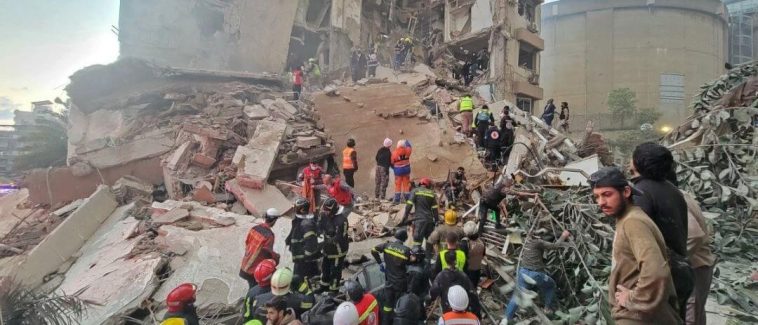
The Israeli military launched a series of strikes across southern Lebanon, targeting what officials described as Hezbollah infrastructure and operational assets. Lebanese authorities claimed the attacks resulted in at least 18 deaths.
Netanyahu defended the operation, saying he ordered the military to strike Hezbollah positions “with force” following what he described as a clear violation of previous ceasefire arrangements.
The Israeli leader also highlighted the scale of the operation, stating that the Israel Defense Forces struck “more than 80 terror targets and eliminated dozens of terrorists.”
Netanyahu signaled that Israel has no intention of relaxing its security posture in the region.
“As I have made clear unequivocally, including yesterday: Israel will remain in the security zone in southern Lebanon for as long as necessary to protect the northern communities,” he said.
The renewed violence now threatens to unravel months of diplomatic maneuvering involving the Biden administration’s successor government and Iranian negotiators.
Vice President J.D. Vance had reportedly been preparing to participate in discussions connected to the negotiations. However, plans for the trip were ultimately scrapped as the situation deteriorated.
A White House representative attempted to downplay the disruption, stating, “The logistics of these negotiations have never been simple or predictable.”
Still, the cancellation represents a significant setback for efforts to establish a broader understanding between Washington and Tehran.
Meanwhile, rhetoric from both sides continued to intensify.
Israeli National Security Minister Itamar Ben Gvir delivered one of the strongest reactions following the Hezbollah attack, declaring that “all of Lebanon should burn.”
The statement immediately drew condemnation from Iranian officials.
Iranian Foreign Minister Abbas Araghchi responded sharply, saying, “This is not a rant by a random genocidal lunatic. It’s a public post by the national security minister of the Israeli regime.”
The exchange underscored just how quickly tensions are escalating beyond the battlefield.
For now, the ceasefire brokered by the United States and Qatar may provide a temporary pause in hostilities. Whether it survives the next round of violence—and whether Washington and Tehran can return to the negotiating table—remains an open question.
With Hezbollah attacks continuing to threaten Israeli security, Iran refusing to separate diplomacy from its support for regional proxies, and Israeli leaders vowing an aggressive response to future attacks, the path toward lasting stability in the Middle East appears as uncertain as ever.

