
>> Continued From the Previous Page <<
CENTCOM later confirmed that American forces retaliated after neutralizing the incoming barrage.
According to military officials, U.S. forces launched defensive strikes targeting the Iranian facilities allegedly responsible for coordinating the assault.

The response reportedly focused on missile launch positions, drone deployment sites, intelligence hubs, surveillance infrastructure, and command-and-control facilities linked to the attack.
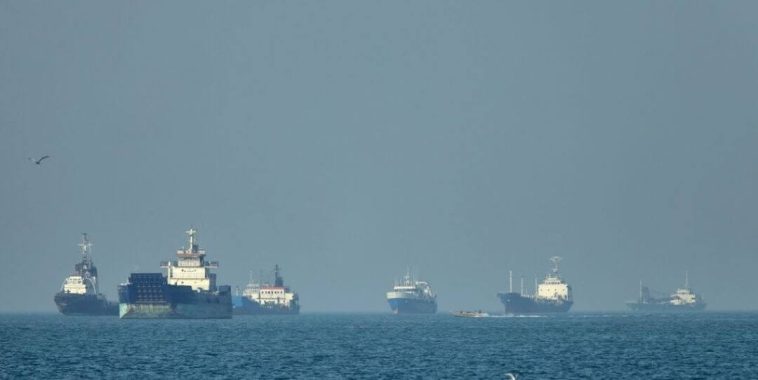
The military exchange immediately sent shockwaves through global energy markets and diplomatic circles, especially given the strategic importance of the Strait of Hormuz, where a massive percentage of the world’s oil supply passes each day.
Any escalation in the region carries the potential to trigger enormous consequences for international shipping, fuel prices, and global stability.
Iranian state media quickly acknowledged the clash, but portrayed the situation very differently from Washington’s version of events.
“Iranian state media reported that three U.S. destroyers were targeted by the Iranian navy, while the U.S. official said the U.S. conducted strikes on targets in the strait.
The U.S. official said the exchange did not constitute a resumption of the war, but the Iranian military described the U.S. strikes as a ceasefire violation and threatened retaliation. The extent of the strikes and resulting damage are unclear at this time.
Iran’s military said the U.S. had targeted an oil tanker and another ship entering the strait.”
Despite the alarming exchange, American officials are reportedly still insisting the broader ceasefire technically remains in place.
That distinction, however, may do little to calm growing concerns that both sides are inching dangerously close to sliding back into full-scale conflict.
The Biden-era foreign policy establishment spent years warning that even a small military incident in the Strait of Hormuz could ignite a wider regional war. Now, under the Trump administration’s renewed hardline posture toward Iran, the stakes appear even higher.
President Donald Trump has repeatedly warned Tehran that any attack on U.S. assets or American personnel would be met with overwhelming force.
And while administration officials are reportedly attempting to avoid calling this latest incident a complete collapse of ceasefire negotiations, Iran’s threats of retaliation are raising major doubts about whether the current calm can survive much longer.
The Strait of Hormuz has long been viewed as one of the world’s most dangerous geopolitical chokepoints. Roughly one-fifth of all global oil shipments pass through the narrow corridor, making it a prime flashpoint whenever tensions flare between the United States and Iran.
Markets are now bracing for the possibility of additional military action, especially if either side believes the other crossed a red line during Wednesday’s confrontation.
For now, both Washington and Tehran appear to be walking a razor’s edge: publicly insisting the ceasefire is still alive while simultaneously exchanging missiles, drones, and retaliatory strikes in one of the most volatile regions on Earth.
Whether this latest clash was an isolated incident or the opening salvo of a much larger escalation may become clear in the coming days.
But one thing is certain: the ceasefire is looking weaker by the hour.

