
>> Continued From the Previous Page <<
Instead of a packed auditorium, the event was scaled back dramatically, with access restricted primarily to students, faculty, and staff.
Conflicting Accounts Raise Questions
University officials, including Vice President for Student Life Sharra Hynes, defended the decision, insisting the rules had been clearly communicated from the start.

According to Hynes, the event was always intended to be limited to the campus community, with a small number of outside guests permitted.
However, organizers dispute that claim.
In a message sent to ticket holders, TPUSA pushed back, stating: “We made every effort to open this event to the broader Waco community, but unfortunately, the administration has denied our attempts to do so.”
The conflicting narratives have only intensified scrutiny, with critics accusing the university of shifting the goalposts at the last minute.
Unequal Treatment?
The situation grew more contentious as details emerged about how other events were handled during the same timeframe.
Baylor approved a pro-LGBTQ counter-event titled “All Are Neighbors,” marking a notable moment for a university that officially defines marriage in traditional terms.
At the same time, restrictions surrounding the Homan event raised eyebrows.
TPUSA staff were reportedly removed from campus while distributing flyers. The event itself was prohibited from being livestreamed. Media access was also tightly controlled, with even the student newspaper, the Baylor Lariat, denied credentials and forced to cover the event from general seating.
Despite these limitations, the university maintained that both events were treated equally, stating they received “equal support, resources and restrictions.”
For many observers, that claim has become a central point of dispute.
A Familiar Pattern on Campus?
Critics argue the Baylor incident reflects a broader trend in higher education, where controversial speakers are not always outright canceled, but instead face logistical and administrative hurdles that limit their reach.
Organizations like the Foundation for Individual Rights and Expression have documented a growing number of such incidents. The group tracked 160 attempts to block campus speakers in 2025 alone, with a majority succeeding.
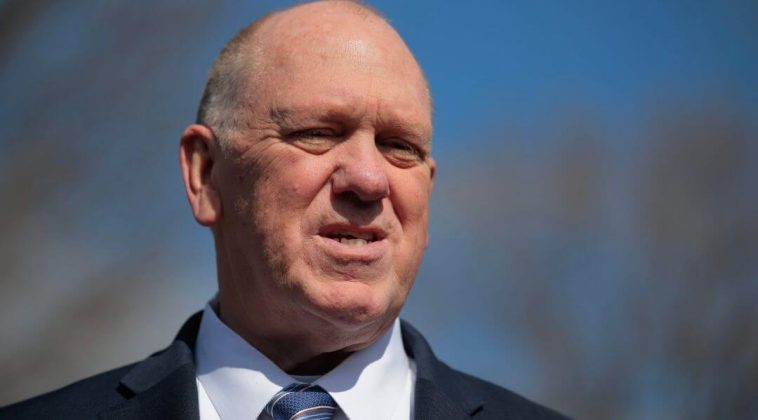
In this case, the event itself was not canceled. Tom Homan still spoke to those allowed inside Waco Hall.
But thousands who had planned to attend never made it through the doors.
Lingering Fallout
The aftermath has left many in the Waco community frustrated and searching for answers.
Those turned away received little more than a notice informing them the decision had already been finalized. For them, the issue is not just about one event, but about access, transparency, and whether institutions are applying their rules evenly.
As the debate continues, Baylor now finds itself at the center of a national conversation over free speech, campus policies, and the boundaries of inclusion.
And for the thousands left outside that night, the question remains simple: why were they invited in the first place, only to be turned away at the last moment?

