
>> Continued From the Previous Page <<
If those efforts succeed, the consequences would be sweeping. Under the terms of the compact, participating states would no longer allocate their electoral votes based on their own voters’ choices. Instead, every electoral vote from those states would go to whoever wins the national popular vote—regardless of how residents within those states actually cast their ballots.
In practical terms, that means the voice of individual states could be overridden. A candidate who loses a state by a wide margin could still receive all of its electoral votes, provided they win more votes nationwide. Critics argue this would effectively sideline smaller or rural states, concentrating power in heavily populated urban areas.

Opponents also warn that such a system would amplify the influence of large metropolitan regions, where population density can heavily sway national totals. They contend that policies and priorities favored in major cities could end up dictating leadership choices for the entire country, leaving millions of voters in less populated areas feeling ignored.
The compact itself has been a flashpoint for years. Supporters insist it ensures that every vote carries equal weight, while detractors argue it undermines the balance intentionally built into the Electoral College system. The debate has sparked legal challenges, legislative battles, and intense political divisions across multiple states.
Virginia’s entry into the agreement is especially notable given its recent political shifts. Once considered a battleground trending conservative, the state has increasingly leaned Democrat in recent cycles. Critics of the move say the decision reflects a broader national effort to rework election rules in ways that could favor one party over another.
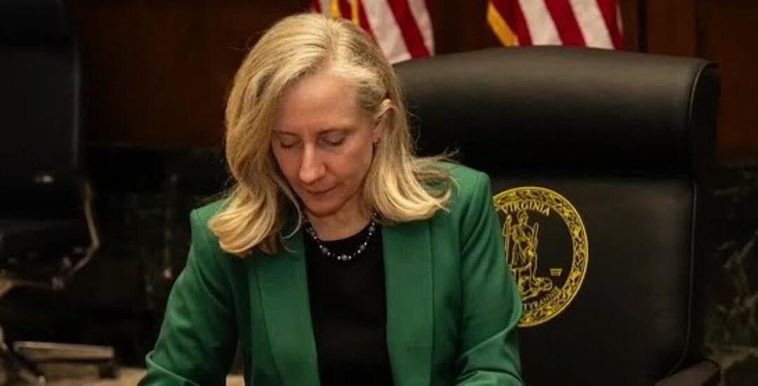
Governor Spanberger’s role in pushing the legislation across the finish line is now drawing scrutiny from political opponents, who argue that such a significant change to presidential elections should require a constitutional amendment—not a state-level agreement.
As the 2028 election cycle approaches, all eyes are on the remaining states identified as potential additions to the compact. If enough join, the United States could see one of the most significant changes to its electoral process in modern history.
For now, the battle lines are drawn. Supporters call it progress. Opponents call it a dangerous gamble with the republic’s foundation. What’s certain is that the fight over how America chooses its president is far from over—and it just intensified in Virginia.

