
>> Continued From the Previous Page <<
A third piled on: “Great job reading from a teleprompter you should pull a Joe Biden repeat quote repeat quote.”
The reaction highlights a growing frustration among audiences who feel that celebrity activism often comes across as rehearsed and disconnected from reality. What was likely intended as a persuasive message instead sparked skepticism and ridicule.

At the center of the debate is the SAVE Act itself—a bill introduced by Texas Representative Chip Roy. The legislation would require individuals to provide proof of U.S. citizenship when registering to vote in federal elections.
Supporters argue the requirement is straightforward and mirrors existing expectations in everyday life. As Roy explained, the bill includes provisions to address common concerns, including name discrepancies.
“If a woman tried to register to vote with different names on her birth certificate and driver’s license,” Roy explained, “we literally put in the statute that all you have to do is sign an affidavit under penalty of perjury that, ‘I am that person.’”
That detail has become a key point of contention, particularly as critics claim the bill could make voting harder for certain groups. Backers counter that the affidavit provision directly addresses those concerns.
The legislation narrowly passed the House earlier this year and now faces a difficult path in the Senate, where Majority Leader Chuck Schumer and fellow Democrats have resisted advancing it. Schumer has gone so far as to label the proposal “Jim Crow 2.0,” a comparison that supporters of the bill strongly reject.
Meanwhile, proponents point to real-world cases to justify tighter safeguards. One such example involves Lina Maria Orovio-Hernandez, a Colombian national convicted in federal court for illegally voting in the 2024 election. Authorities said she committed identity theft and passport fraud before casting a ballot.
Her case has become a rallying point in the debate. Critics of current election procedures argue that while enforcement may catch violations after the fact, it does little to prevent them beforehand.
Supporters of the SAVE Act say that’s exactly the problem the bill is designed to fix.
The political fight has also drawn in other high-profile figures. Actress Meryl Streep recently voiced similar concerns during an appearance on The Late Show with Stephen Colbert, warning that certain voters could face complications at the polls. Critics say those claims overlook key provisions written into the legislation.
For many observers, the bigger story may not be the policy details—but the growing disconnect between celebrity messaging and public reception.
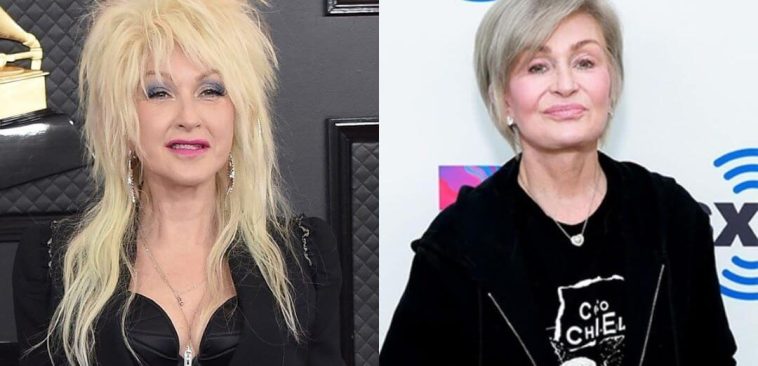
Lauper’s video, intended to mobilize opposition, instead became a case study in how quickly online audiences can push back when something feels scripted or inauthentic.
As the SAVE Act heads back to the Senate floor, the political stakes remain high. Lawmakers will need significant bipartisan support to move the bill forward, with the debate likely to intensify as election season approaches.
But if the reaction to Lauper’s video is any indication, one thing is clear: voters are paying close attention—and they’re not afraid to speak up when they don’t like what they see.

