
>> Continued From the Previous Page <<
He continued by praising the coordinated effort behind the investigation: “Outstanding work by FBI Charlotte and the FBI Counterintelligence & Espionage Division – as well as our DOJ partners.”
Patel didn’t stop there, delivering a direct message aimed at anyone considering similar actions. “Let this serve as a message to any would-be leakers: we’re working these cases, and we’re making arrests. This FBI will not tolerate those who seek to betray our country and put Americans in harm’s way.”

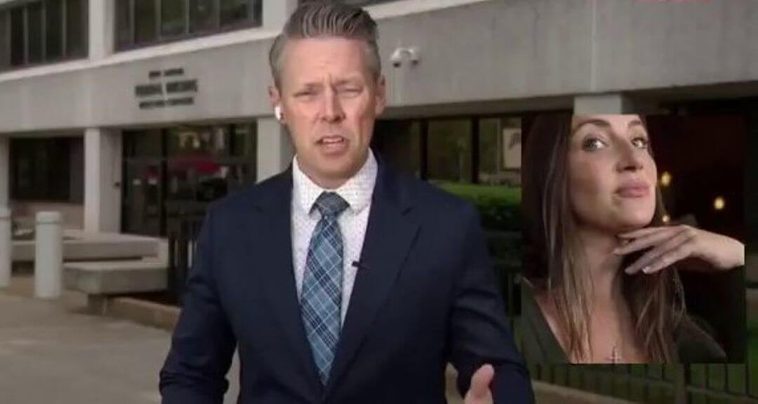
Federal prosecutors allege that Williams’ actions spanned several years. Between 2022 and 2025, she is accused of disclosing Top Secret information during repeated communications with a journalist, using both phone calls and text messages. Authorities say the volume and nature of those interactions raise serious concerns about the extent of the breach.
Senior officials within the Justice Department emphasized the gravity of the situation. Assistant Attorney General for National Security John A. Eisenberg underscored the responsibility that comes with access to classified material.
“Clearance holders accept a solemn obligation to protect the classified information entrusted to them,” Eisenberg said. “That they do so is critical to the security of our Nation. When clearance holders violate that trust, the National Security Division will act swiftly to hold them accountable.”
Local prosecutors echoed that sentiment, stressing the potential danger posed by such leaks to military personnel and national defense operations. U.S. Attorney for the Eastern District of North Carolina Ellis Boyle made it clear that protecting those on the front lines remains a top priority.
“We trust our war fighting individuals to cooperate as a team to protect our military and country,” Boyle said. “We will pursue criminal charges to keep these warriors safe whenever we find leakers exalting their own feelings over the safety of the United States.”
Details released in court filings paint a troubling picture of Williams’ background and access. From 2010 to 2016, she reportedly worked with a Special Military Unit and held a Top Secret / Sensitive Compartmented Information clearance. In that role, she had daily exposure to a wide range of classified materials and underwent extensive training on how to properly handle and safeguard sensitive information.
As part of her position, Williams also signed a Classified Nondisclosure Agreement acknowledging that unauthorized disclosures could constitute a criminal offense—an agreement prosecutors say she knowingly violated.
Investigators allege that Williams maintained ongoing communication with a journalist over a multi-year period. During that time, the two reportedly spoke on the phone for more than 10 hours and exchanged over 180 messages. In one instance, the journalist explicitly identified themselves and requested information about the Special Military Unit for use in an upcoming article and book.
After these exchanges, the journalist went on to publish both a book and an article that identified Williams as a source. Prosecutors say those publications included statements attributed to her that contained classified national defense information.
Authorities also allege that Williams went beyond private communications, sharing sensitive details through her social media accounts—further compounding the alleged breach.
Perhaps most striking are the messages Williams allegedly sent around the time the article and book were released. On the day of publication, she reportedly expressed unease about what had been disclosed, writing that she was “concerned about the amount of classified information being disclosed.”
In a separate exchange with another individual, she admitted, “I might actually get arrested . . . for disclosing classified information.” Prosecutors say she even referenced provisions of the Espionage Act and acknowledged that she had long been aware of the risks.
“I have known my entire career,” Williams allegedly said, adding that “they tell you everyday . . . 100 times a day.”
In yet another message, she reportedly conceded the potential consequences in stark terms, stating she was “probably going to jail for life.”
As the case moves forward, it is likely to reignite debate over national security leaks, media involvement, and the responsibility of those entrusted with the nation’s most closely guarded secrets. For now, federal officials are making one thing unmistakably clear: violations of that trust will not go unanswered.

