
>> Continued From the Previous Page <<
During that window, diplomats would attempt to hammer out a long-term resolution to the conflict. The second phase would then focus on a permanent agreement, likely requiring Iran to make significant concessions related to its nuclear ambitions and ballistic missile programs. If talks show progress but need more time, the ceasefire could be extended under the proposal.
One official familiar with the talks issued a stark warning to Tehran, underscoring how little time remains. “there is no time for further tactics, as the next 48 hours represent the last opportunity to prevent massive destruction.”

Despite the urgency, Iranian leadership has shown little enthusiasm for the plan. Officials have reportedly dismissed the proposal, expressing concern that any agreement could be superficial and unenforceable. Their position reflects a deep mistrust of Western intentions and a reluctance to enter into deals they believe may not hold.
Iran has already rejected previous attempts at de-escalation. Just days earlier, state-controlled media confirmed that Tehran declined a separate U.S.-backed proposal for a short-term ceasefire transmitted through a third party. Additionally, Iranian officials have refused to participate in direct negotiations in Pakistan, describing current U.S. demands as “unacceptable.”
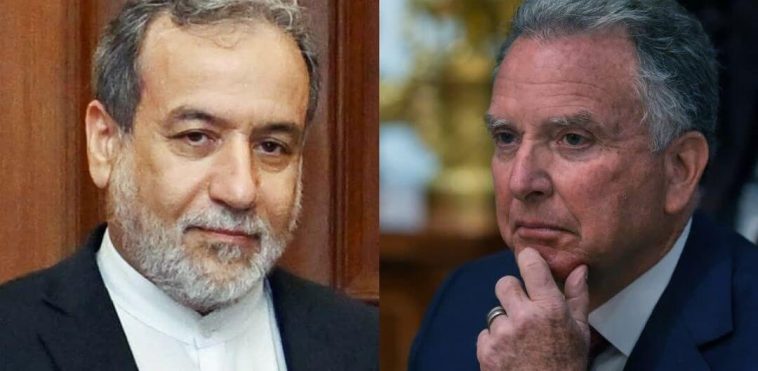
Foreign Minister Abbas Araghchi reinforced that stance publicly, stating that no talks had taken place and that there was “no intention of negotiating for now.”
Meanwhile, the clock continues to tick toward President Trump’s escalation deadline, set for Tuesday evening. The administration has made clear that failure to reopen the Strait of Hormuz will trigger a severe response targeting key Iranian infrastructure.
Trump himself delivered a blunt and highly charged warning over the weekend, leaving little doubt about the stakes. “Tuesday will be Power Plant Day, and Bridge Day, all wrapped up in one, in Iran. There will be nothing like it!!!” he wrote. “Open the F**kin’ Strait, you crazy bastards, or you’ll be living in Hell — JUST WATCH.”
Despite the fiery rhetoric, the president has also signaled cautious optimism. In recent interviews, he indicated that negotiations remain active behind closed doors and suggested that a breakthrough is still possible before the deadline hits.
Whether diplomacy can outpace escalation now remains the central question. With global energy markets, regional stability, and potential military confrontation all hanging in the balance, the next 48 hours could prove निर्णive.
For now, the world watches as diplomats race against the clock — hoping that a temporary ceasefire can open the door to something more lasting before events spiral beyond control.

