
>> Continued From the Previous Page <<
The pain doesn’t stop there.
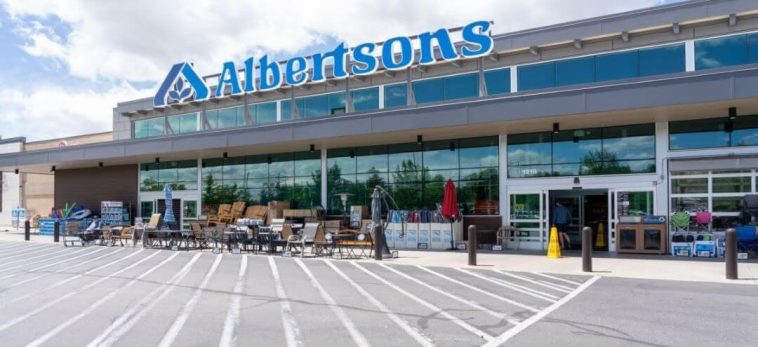
Two stores in Tarrant County, Texas are preparing to shut down, impacting over a hundred workers. Meanwhile, a Safeway location in Washington, D.C. is scheduled to close in May, adding even more layoffs to the tally.

Altogether, the company has already shuttered around 20 locations this year as it tries to stay afloat.
An Albertsons spokesperson told Fox Business, “These store closure decisions were not made lightly and many associates at the impacted locations were placed in positions at other stores.”
But for many employees, relocation is not an option, and the job losses are very real.
A Forgotten Law That Once Protected Competition
This kind of consolidation was not always inevitable.
Back in 1936, Congress passed the Robinson-Patman Act to stop large chains from using their size to squeeze suppliers and crush smaller competitors.
At the time, retail giants were already flexing their muscle. Massive chains like A&P were demanding special pricing that independent grocers simply couldn’t access. The result was a tilted playing field.
The law stepped in to level things out.
For decades, regulators enforced it aggressively. Smaller grocers survived, competition stayed alive, and consumers had real choices in their communities.
Then something changed.
By the early 1980s, enforcement of the Robinson-Patman Act quietly faded away, and the door swung open for a new kind of dominance.
How Walmart Took Over the Playing Field
With regulators stepping back, companies like Walmart surged ahead.
Using its massive scale, Walmart negotiated better deals from suppliers, driving down its own prices while competitors struggled to keep up. Smaller grocers began disappearing, unable to compete with the pricing power of a retail giant.
Ironically, chains like Kroger and Safeway were forced to follow the same strategy just to survive.
The industry began consolidating rapidly.
Today, just a handful of companies dominate the grocery landscape. The top players control a massive share of consumer spending, with Walmart alone commanding a significant portion of the market.
What once was a competitive ecosystem has turned into a battle of giants.
Washington’s Role in the Consolidation Boom
Critics argue this didn’t happen by accident.
Alongside relaxed antitrust enforcement, federal monetary policy played a major role. For more than a decade following the 2008 financial crisis, the Federal Reserve kept interest rates near zero.
Cheap money flooded the system.
Large corporations with access to capital markets borrowed aggressively, funding expansions, acquisitions, and logistical dominance. Meanwhile, smaller, independent grocers had no such advantage.
The Cato Institute described it bluntly: “redistributed wealth from Main Street to Wall Street.”
As big players grew bigger, local grocery stores vanished, leaving some communities with fewer options or none at all.
What Happens Next for Albertsons
Now, Albertsons is trying to adapt to a landscape it helped shape but can no longer control.
The company is investing heavily in digital sales, which have surged in recent months. It’s also leaning into automation, replacing parts of its workforce with technology to cut costs and stay competitive.
That may stabilize the company’s future.
But it won’t bring back the stores that are closing today.
It won’t restore the independent grocers that disappeared over decades. And it certainly won’t help the workers who just lost their jobs.
The Bottom Line
The employees being laid off didn’t write federal policy. They didn’t shape monetary decisions or antitrust enforcement trends.
They stocked shelves, served customers, and kept stores running.
Now those stores are gone.
And after decades of policy choices that reshaped the grocery industry, Washington is left facing a question it can no longer ignore: how did it let things get this far?

