
>> Continued From the Previous Page <<
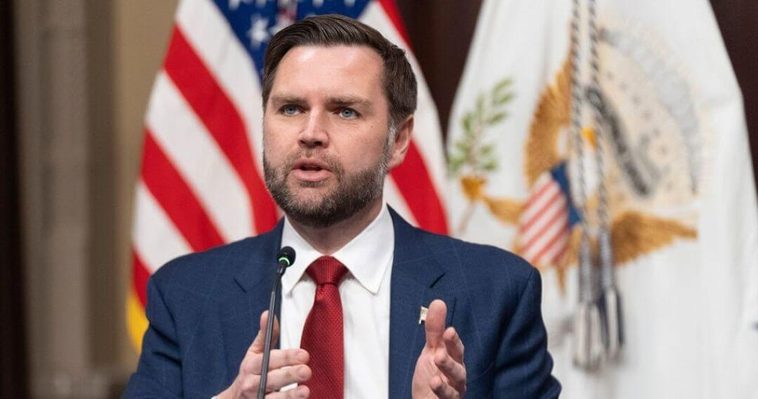
Vance emphasized that the effort will take what he called a “whole-government approach,” bringing together leaders from multiple federal agencies to detect, prevent, and prosecute fraud tied to programs providing food assistance, housing aid, healthcare, and other essential services.
“This is not just the theft of the American people’s money,” Vance said. “It is also the theft of critical services that the American people rely on.”

The task force includes several high-profile figures within the administration, including Andrew Ferguson, senior adviser Stephen Miller, and top officials from the Justice Department. Together, they will coordinate efforts to strengthen oversight and crack down on fraudulent schemes that have plagued federal programs.
Administration officials say each agency will now be responsible for conducting internal audits and implementing stricter safeguards. These measures include stronger identity verification processes, enhanced monitoring systems, and targeted investigations aimed at rooting out suspicious activity before it escalates.
The renewed focus on fraud follows explosive revelations out of Minnesota, where prosecutors estimate that as much as $9 billion in federal funds may have been improperly obtained from state-run social programs since 2018. More than 100 individuals have been charged in connection with the schemes, with dozens already convicted.
Vance pointed to those findings as clear evidence that existing systems have failed to keep up with increasingly sophisticated criminal operations. “We’ve got allies across every major significant department,” he said. “And we are going to stop the fraud that’s being committed against the American people.”
In response, the Justice Department has taken steps to ramp up enforcement, including the creation of a specialized division focused solely on prosecuting fraud cases. Officials argue that traditional enforcement methods are no longer sufficient given the scale and complexity of the problem.
Ferguson underscored the seriousness of the situation, warning that the consequences of inaction could be severe. “This fraud crisis is thus existential,” Ferguson said. “If we fail to address it, the fabric of our nation will swiftly unravel.”
The issue has also fueled broader political debates, particularly surrounding immigration enforcement and federal oversight of state-administered programs. Some of the Minnesota cases involved nonprofit organizations and individuals accused of exploiting pandemic-era relief funds, raising fresh concerns about how those programs were designed and monitored.
For Vance, leading this task force marks one of his most high-profile assignments since becoming vice president. The role is expected to elevate his standing within the administration and position him as a central figure in shaping domestic policy—especially as speculation continues about his future political ambitions.
Still, Vance made clear that the mission at hand goes beyond politics. He framed the fight against fraud as urgent and necessary, warning that unchecked abuse not only drains taxpayer resources but also weakens the very programs millions of Americans depend on.
“It’s happening across the country,” Vance said. “And we’re going to stop it.”

