
>> Continued From the Previous Page <<
In Houston, half of the TSA workforce at Hobby Airport reportedly called out in a single day. Similar issues are emerging in major travel hubs like Atlanta, New Orleans, and New York’s JFK.
Passengers are reporting wait times that stretch well beyond two hours, with some lines wrapping through terminals during peak travel periods.

The strain is being driven by a combination of burnout and financial pressure.
According to DHS spokesperson Lauren Bis, TSA agents have been forced to work without pay yet again, marking the third time in just six months. The situation has already led to 366 officers leaving their positions entirely.
Callout rates have surged dramatically, climbing more than 50 percent in Houston and over 30 percent in both Atlanta and New Orleans during a single weekend.
The warning from inside the agency is stark.
Airports could “quite literally shut down” if the situation continues.
Political Standoff at the Core
The root of the shutdown traces back to Senate Majority Leader Chuck Schumer’s decision to block DHS funding unless specific immigration enforcement conditions are met.
Those demands include requiring judicial warrants before ICE agents can enter properties, banning the use of face coverings during operations, and enforcing visible identification rules.
Critics argue that these measures would severely limit ICE’s ability to carry out enforcement actions.
The White House, meanwhile, has attempted to reach a compromise.
Proposals reportedly included expanding the use of body cameras, strengthening identification requirements, limiting enforcement in sensitive locations like schools and hospitals, and reaffirming protections for U.S. citizens.
But those efforts have not produced a breakthrough.
As White House press secretary Karoline Leavitt put it:
“We’ve offered them multiple binding, substantive offers, and they have rejected every single one.”
Schumer dismissed the proposals outright, calling them “not serious.”
Leavitt responded in kind, describing the Democrats’ position as “very unserious.”
Meanwhile, tens of thousands of DHS workers have continued reporting for duty without pay.
A Familiar Shutdown Pattern
This is not the first time a government shutdown has pushed airport operations to the brink.
History suggests a clear pattern.
During the 2018 to 2019 shutdown, the longest in U.S. history, the crisis reached a breaking point after TSA callouts rose and air traffic controllers began failing to report to work. The standoff ended shortly after travel disruptions intensified.
A similar situation played out during last year’s 43 day shutdown, which concluded after major reductions in air traffic operations across dozens of airports.
Each time, mounting pressure from travel chaos forced a resolution.
Now, with the current shutdown entering day 33, comparisons are growing louder.
House Speaker Mike Johnson has warned that airports are approaching a critical tipping point.
Internal Fractures Among Democrats
Even within the Democratic Party, cracks are beginning to show.
Senator John Fetterman openly questioned the strategy, saying:
“Why would you want to punish all of these workers under DHS? All it does is make us less safe.”
Another Democrat from Virginia acknowledged publicly that the shutdown is “hurting the wrong people.”
Despite these concerns, leadership has not shifted its position.
Trump’s Message to Voters
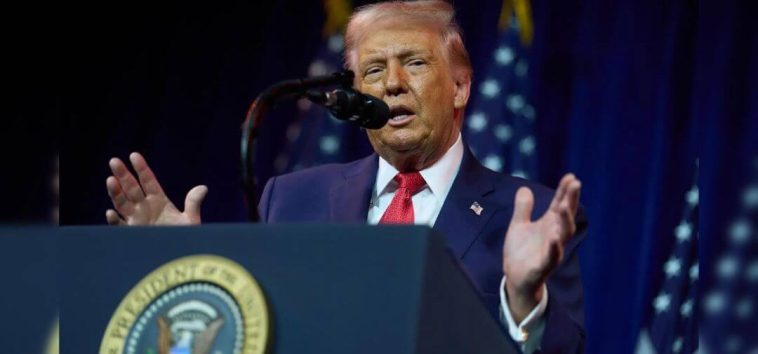
As the crisis escalates, Trump is making it a central political issue.
He has framed the situation as a direct consequence of Democratic decisions and is urging voters to hold them accountable in the upcoming elections.
According to Trump, Democrats are “fully to blame, and must pay a big price, for the good of our Country, in the Midterm Elections.”
For travelers stuck in long lines and facing missed flights, the political battle in Washington is no longer abstract.
It is personal.
And with no resolution yet in sight, the pressure is building with each passing day.

