
>> Continued From the Previous Page <<
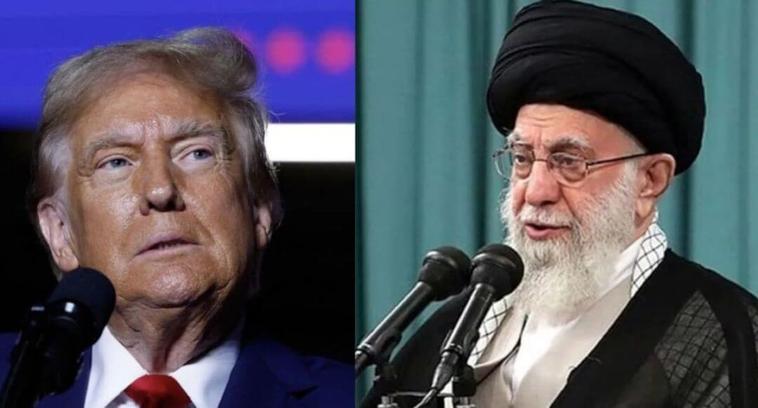
President Donald Trump confirmed he is open to dialogue — but only on America’s terms. For now, however, the bombs continue to fall.
Speaking to The Atlantic, Trump revealed that discussions are forthcoming.

“They want to talk, and I have agreed to talk, so I will be talking to them,” he said, declining comment on the timing.
At the same time, administration officials emphasized that negotiations will not interrupt the current offensive. One official stated that the military campaign “continues unabated,” underscoring that diplomacy will not come at the expense of national security.
On Capitol Hill, Tom Cotton, chairman of the Senate Intelligence Committee, addressed the growing conflict during an appearance on Face the Nation. While refusing to discuss operational specifics or intelligence coordination with Israel, Cotton made clear that tracking hostile regimes is central to America’s security mission.
“Clearly, this operation is driven by intelligence collected by Israel and the United States that has once again proven that our nations have capabilities that no other nation on Earth has,” said Cotton, R-Ark.
The impact inside Iran has been staggering. Explosions shook buildings across Tehran, with shockwaves rattling windows miles from the blast zones. Thick columns of smoke towered over the capital as missile sites and naval infrastructure were reduced to rubble. Iranian officials claim more than 200 people have been killed since the operation began.
But the battlefield has expanded well beyond Iran’s borders.
Iran-backed militias in Iraq and Lebanon launched retaliatory strikes against Israeli targets and a U.S. military installation. Gulf Arab nations issued stern warnings, signaling they may respond militarily if Iranian aggression continues. At least five civilians were reportedly killed in attacks tied to the widening confrontation.
The situation grew more volatile after Britain granted the U.S. access to its regional bases. Shortly thereafter, a drone strike targeted a British installation in Cyprus, marking yet another flashpoint in the spiraling conflict.
Tehran did not hesitate to respond directly. Iranian forces launched missiles toward Israel and several Arab states in what officials described as a counteroffensive. The attack claimed the lives of four U.S. service members — the first confirmed American fatalities in this conflict.
Three of the fallen troops were U.S. Army soldiers stationed in Kuwait as part of a logistics unit.
In Israel, emergency crews scrambled as missiles struck multiple sites, including Jerusalem and a synagogue in Beit Shemesh. Nine civilians were killed and 28 injured in that single attack, pushing Israel’s overall death toll to 11.
Despite the retaliation, U.S. and Israeli forces pressed forward.
The Pentagon confirmed that B-2 stealth bombers deployed 2,000-pound bombs against Iran’s ballistic missile facilities. Meanwhile, Trump took to social media with a blunt battlefield update.
“I have just been informed that we have destroyed and sunk 9 Iranian Naval Ships, some of them relatively large and important. We are going after the rest — They will soon be floating at the bottom of the sea, also! In a different attack, we largely destroyed their Naval Headquarters,” he wrote.
The president’s message left no ambiguity: American firepower is fully engaged.
While some global leaders have urged restraint, others appear prepared to stand alongside Washington. Britain, France, and Germany signaled readiness to cooperate with the United States to deter further Iranian aggression. Meanwhile, a bloc of Gulf Arab nations declared it reserves the right to respond forcefully to Tehran’s attacks.
The region now stands at a crossroads.
Diplomatic channels may soon open — but for now, the skies above Iran remain filled with the roar of jets and the thunder of precision strikes.

