
>> Continued From the Previous Page <<
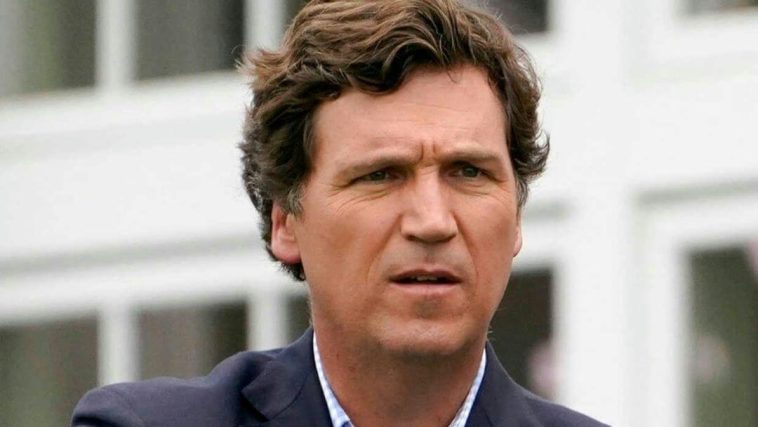
Officials confiscated Carlson’s passport. His executive producer was taken aside and interrogated. The line of questioning, Carlson later explained, had nothing to do with customs or travel documentation. Instead, it focused on the content of a private conversation with a United States ambassador.
“Men who identified themselves as airport security took our passports, hauled our executive producer into a side room and then demanded to know what we spoke to Ambassador Huckabee about,” Carlson told the Daily Mail.

That statement alone should set off warning bells in Washington.
This was not an interaction with a hostile adversary like China or Iran. This was the government of Israel—a nation that receives billions of dollars from American taxpayers every single year—detaining a prominent U.S. journalist and questioning his team about a discussion with a U.S. diplomat.
Carlson later confirmed that he and his team were allowed to leave the country, describing the experience as deeply unsettling. “It was bizarre,” he said. “We’re now out of the country.”
Reports indicate this incident did not come out of nowhere. Sources told the Daily Mail that officials had debated whether Carlson should even be allowed into the country in the first place. That report was echoed by Channel 13, which stated that Israeli authorities had considered blocking his entry altogether.
Ultimately, Carlson was allowed to land at Ben Gurion Airport only after what was described as delicate diplomatic intervention involving the U.S. State Department. The decision was reportedly made to avoid an international incident.
Yet one was created anyway.
Israel has a documented history of aggressively questioning journalists, activists, and critics at its airports—seizing phones, demanding passwords, and probing political views before granting entry. What made this case different is that it involved a high-profile American journalist with direct ties to the U.S. political leadership.
This wasn’t just about Tucker Carlson.
Carlson is widely known as an ally of Donald Trump and has reportedly visited the Oval Office multiple times in recent weeks. That context makes the incident impossible to dismiss as routine security protocol.
The actions taken by the government of Benjamin Netanyahu sent a clear message: even American journalists are not exempt from scrutiny if their reporting makes those in power uncomfortable.
Former ambassador David Friedman dismissed Carlson’s concerns publicly, mocking him for not touring the country during his visit. Meanwhile, the embassy overseen by Mike Huckabee issued a statement claiming Carlson experienced nothing more than “normal entrance and exit” procedures.
That explanation strains credibility. Since when does “normal” travel involve confiscating passports and interrogating journalists about conversations with U.S. officials?
This controversy lands at a particularly sensitive time. Polling shows younger Republicans increasingly skeptical of unlimited foreign aid, with many open to reducing military assistance. The interview was reportedly intended to cool tensions within the conservative coalition. Instead, the response from Israeli authorities may have done the opposite.
Americans send Israel approximately $3.8 billion every year. That money comes from taxpayers who expect allies to respect American sovereignty, constitutional freedoms, and the independence of our press.
Journalists should be free to ask questions—especially difficult ones—without fear of harassment by foreign security services. If that freedom cannot be guaranteed, then Congress must take a hard look at what U.S. taxpayers are funding.
An ally that treats American journalists like suspects is not acting like an ally at all.

