
>> Continued From the Previous Page <<
High-profile examples illustrate the trend. Texas quarterback Quinn Ewers declined an $8 million offer to remain in college for one more season and entered the NFL in the seventh round, ultimately earning nearly $7 million less on his rookie contract than he would have staying in school. Meanwhile, top recruit Bryce Underwood signed with Michigan for a reported $12 million over four years—more than many NFL backup quarterbacks will earn in their entire careers.
College programs like Ohio State now oversee football operations valued in the tens of millions, despite the $20.5 million revenue-sharing cap per athletic department. The sheer scale of these deals is reshaping expectations at every level.

Coaches across major conferences acknowledge the strain NIL deals place on traditional structures. At last year’s Big 12 media days, Colorado’s Deion Sanders called for salary caps similar to the NFL, citing deals that reward mediocre transfers while leaving top talent struggling to compete. TCU coach Sonny Dykes watched Texas Tech spend over $10 million on portal additions, and Houston’s Willie Fritz, a college football veteran since 1978, warns the system threatens the integrity of the sport.
Skattebo emphasized that NIL opportunities are not inherently negative. “While NIL opportunities can help athletes support their families, they also come with unintended consequences,” he said. NFL franchises now must weigh maturity and mindset as heavily as athletic ability when evaluating rookies.
The House v. NCAA settlement in June 2025 further blurred the line between amateur and professional athletics. Schools can now pay athletes directly up to $20.5 million per year, with the cap increasing annually. In addition, $2.8 billion in retroactive payments will be distributed over 10 years to athletes from 2016 to 2025, with football and men’s basketball players receiving the largest portion. These payouts, combined with pre-2025 NIL collectives, have created a tiered system where elite players live like professionals while the majority earn little.
NFL observers warn that this culture shift could undermine locker room dynamics. Historically, players entered the league desperate to prove themselves, forging team cultures built on performance and earned respect. Now, some rookies arrive with multimillion-dollar bank accounts, shifting motivations away from merit-based achievement. Teams have adjusted evaluation processes to identify rookies with the right mindset versus those who may believe they’ve already “arrived.”
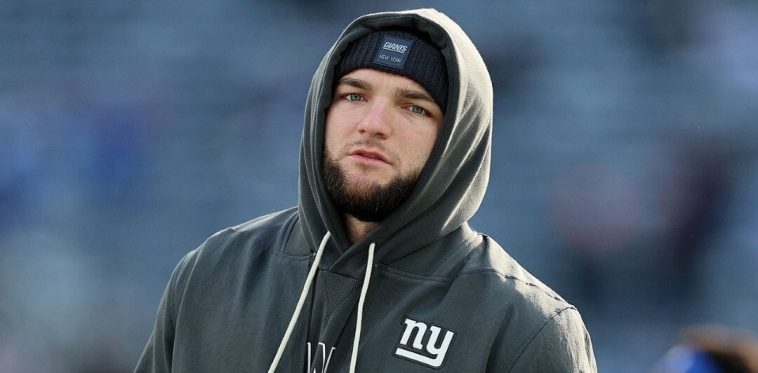
Skattebo’s journey exemplifies the alternative path. Starting at Sacramento State—the only Division I school to offer him a scholarship—he transferred to Arizona State and dominated, finishing with 2,316 yards from scrimmage and 24 touchdowns as a senior. Selected by the Giants in the fourth round, Skattebo has proven his worth through effort and determination, not pre-college earnings.
His perspective underscores a growing challenge for NFL coaches: preserving the work ethic and competitive hunger that built the league’s success before NIL money reshapes professional football culture permanently.

