
>> Continued From the Previous Page <<
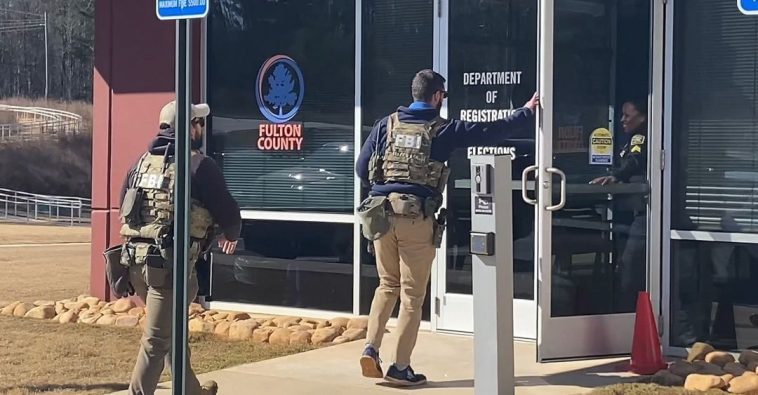
Fulton County’s record-keeping and handling of election materials have faced scrutiny before. Federal authorities previously sued the county to gain access to records, claiming the clerk of courts failed to respond to requests. Kreis cautioned that the existence of a search warrant alone does not imply criminal activity, explaining that judges apply a relatively low standard when approving such actions.
According to the warrant, investigators were seeking physical ballots from the 2020 election, tabulator tapes, ballot images, and the county’s full voter roll. Kreis emphasized that these materials are highly sensitive and normally kept under strict protection, even when federal law enforcement is involved.

The search also touches on the broader political context. Trump’s post-election phone call to Raffensperger became a central piece of a racketeering case pursued by Fulton County District Attorney Fani Willis, a prosecution that ultimately collapsed. The episode remains a focal point for conservatives who question the handling of election investigations.
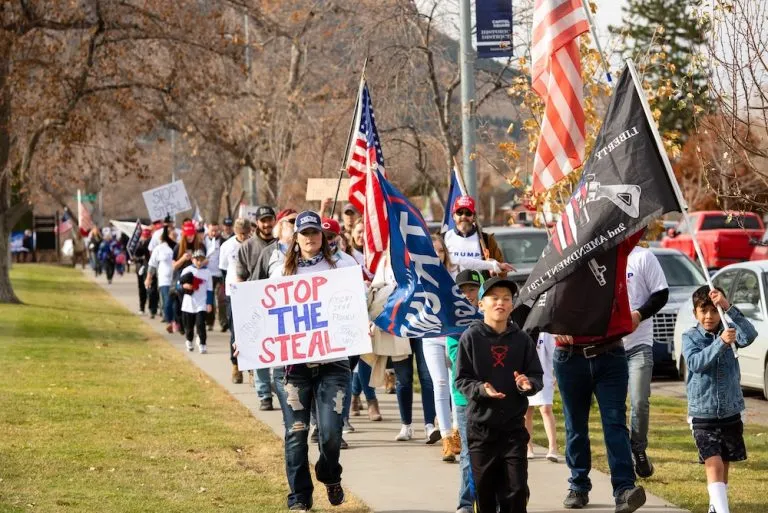
Late Wednesday, Trump continued posting on Truth Social, reiterating his claims that the 2020 election was stolen and pointing to the FBI search as evidence that questions remain unanswered. State and federal audits have upheld Georgia’s certified results, but the renewed law enforcement activity is likely to intensify debates over election security, transparency, and accountability.
The FBI search underscores the continuing tension in Georgia over election integrity, a fight that shows no sign of letting up. Conservatives argue that actions like this justify ongoing scrutiny of Fulton County’s procedures, while officials insist the state’s elections remain secure and accurately counted. For many, the issue is less about the results themselves and more about confidence in the system.


