
>> Continued From the Previous Page <<
That commitment alone represents a notable shift. For years, immigration enforcement officials have complained that sanctuary-style policies force ICE agents to hunt down dangerous criminals after they are released, putting officers and the public at greater risk. The new arrangement is designed to eliminate that scenario by allowing transfers directly from local custody.
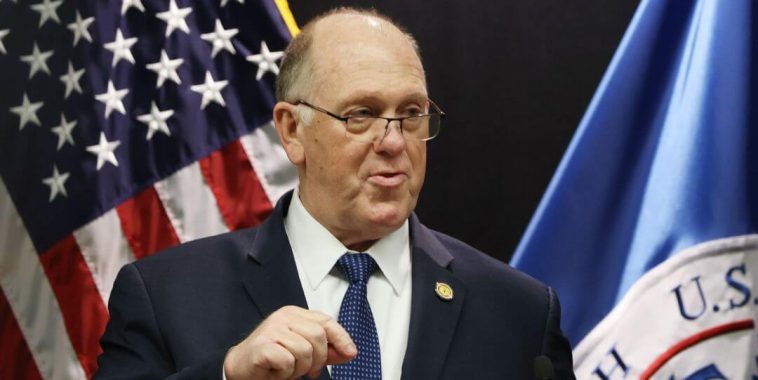
Homan also addressed another critical issue: advance notice. Under the agreement, Minnesota officials will notify ICE when dangerous criminal illegal aliens are scheduled for release, giving agents the opportunity to take custody immediately.

“Attorney General Keith Ellison clarified for me that county jails may notify ICE of the release dates of criminal public safety risks so ICE can take custody of them, upon their release from the jail,” the Border Czar said.
This cooperation, Homan emphasized, allows federal agents to work more efficiently and safely, rather than scrambling to locate suspects after they disappear back into the community. It also undercuts long-standing claims from the Left that coordination with ICE somehow undermines local law enforcement.
As a direct result of the agreement, Homan announced that ICE will scale back its operational footprint in Minnesota—an acknowledgment that state cooperation makes large federal deployments less necessary.
“Yes, I said it, Draw down,” Homan quipped.
WATCH:
That comment underscored a point often ignored in the immigration debate: when states cooperate, federal enforcement becomes more targeted, more effective, and less intrusive overall. Rather than flooding jurisdictions with agents, ICE can redirect its limited resources to areas where officials refuse to work with federal authorities.
Homan also addressed concerns about officer safety, confirming that Minnesota police chiefs committed to responding to emergency calls involving immigration agents and protecting them from hostile agitators. In recent years, ICE officers have faced increasing harassment and organized interference from activist groups, sometimes while attempting to arrest violent offenders.
The Minnesota agreement stands as a sharp contrast to the fear-driven narratives pushed by open-border advocates. Instead of chaos or civil unrest, the outcome was cooperation—focused narrowly on criminals, not law-abiding residents.
For the Trump administration, the deal is another validation of its enforcement-first approach. By applying pressure, demanding accountability, and prioritizing public safety, the administration has shown that even resistant states can be brought to the table.
As border chaos continues to dominate headlines nationwide, Minnesota’s shift may signal a broader realization: refusing to cooperate with ICE does not protect communities—it endangers them. And when leaders choose safety over ideology, the results speak for themselves.

