
>> Continued From the Previous Page <<
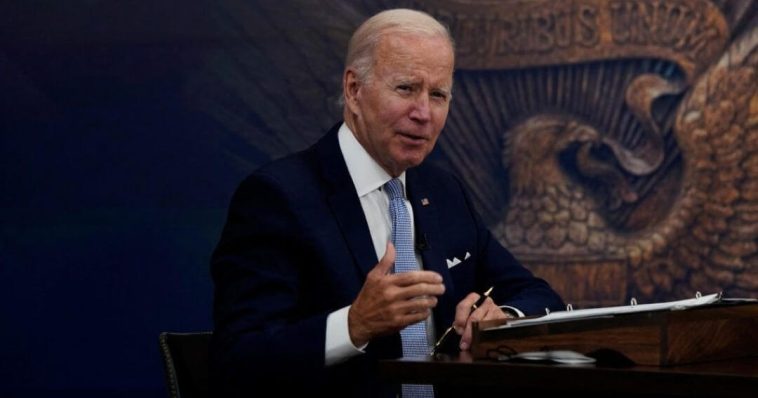
This marks a stark contrast to Biden’s term, when inflation ravaged paychecks. From the moment Biden took office through the first quarter of 2024, real wages fell 2.14%, translating to an average loss of more than $4,900 per worker. While Americans watched their purchasing power shrink, Biden continued to tout his “Bidenomics” as a success.
The Federal Reserve Struggles to Control Inflation

Federal Reserve officials spent much of 2025 caught between persistent inflation and a weakening labor market. By December, inflation was still 2.7%, well above the Fed’s 2% target.
In response, the Fed cut interest rates three times in the latter half of the year, totaling a 75-basis-point reduction. Yet inflation remained stubbornly elevated.
Fed Chair Jerome Powell admitted the central bank is in a state of uncertainty: rates are “in a broad range of estimates of neutral value,” and the committee “is well positioned to wait and see.” In plain terms, the Fed is essentially hoping for the best.
The December rate cut drew dissent from two members who preferred to hold rates steady. One even advocated a deeper 50-basis-point reduction. The Fed’s own projections suggest only one additional rate cut in 2026, with core PCE inflation expected to hit 2.5%—still above the target—and the 2% goal not projected until 2028 at the earliest.
Trump’s Return Reignites Real Wage Growth
Since Trump’s return to the White House, real wages have surged. From January 2025, wages grew at a 3.37% annualized rate while prices increased only 2.31%, resulting in a 1.04% gain in purchasing power—the first sustained boost since 2021.
This revival in real wages fueled consumer spending. Retail sales jumped 3.3% year-over-year in November, while home sales increased 5.1% in December as mortgage rates fell to 6.19%, their lowest since 2022.
Despite these gains, consumer confidence remains 28 points lower than during Trump’s first term, reflecting lingering frustration over the Biden-era inflation crisis. Americans remember how soaring prices devastated their savings and made everyday essentials increasingly unaffordable.
Broad-Based Recovery Under Trump
The Trump Administration inherited an economy where high-income households fared reasonably well while working families struggled. Now, policies under Trump are delivering broad-based growth that benefits Americans across income levels.
Still, challenges remain. The labor force participation rate is 0.7 percentage points below its level during Trump’s first term, leaving nearly 2 million more Americans on the sidelines. Yet the trajectory is clear: Trump’s policies are reversing the worst economic trends and restoring opportunities for workers and families.
The Federal Reserve’s own projections confirm that the Biden inflation crisis will leave lasting scars—but thanks to Trump’s leadership, Americans are finally seeing tangible relief in their paychecks. And voters know exactly who’s responsible for the economic pain of the past few years.

