
>> Continued From the Previous Page <<
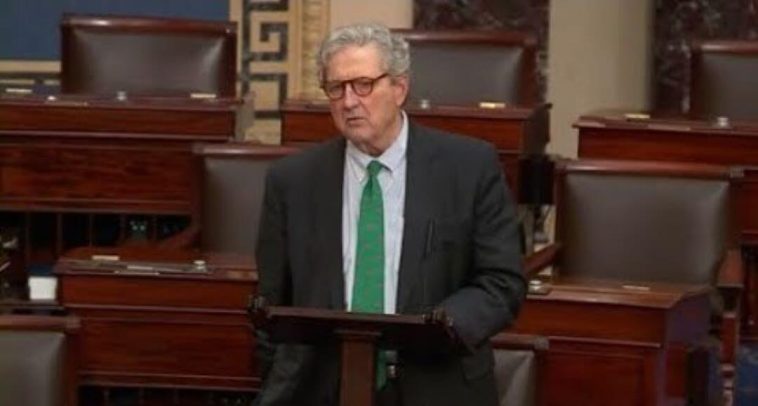
Here is the quote exactly as it was read:
“Here’s what a fraud investigator in the Attorney General’s office said. She said, There is a perception that I’m quoting now, that forcefully tackling this issue would cause political backlash from the Somali community, which is a core voting block for Democrats”
Let that sink in.

According to the memo, concerns over political backlash allegedly outweighed the urgency to stop what would eventually become one of the largest welfare fraud schemes in Minnesota history. For many Americans, the statement confirms long-held suspicions that political calculations sometimes override the duty to protect taxpayer dollars.
While state officials scramble to manage the fallout, voters appear far less forgiving.
Recent polling shows overwhelming dissatisfaction with how Minnesota’s leadership handled the situation—particularly when it comes to Democratic Governor Tim Walz.
According to a new survey cited by Washington Free Beacon, public trust has eroded sharply. The poll, conducted by KSTP and SurveyUSA, paints a devastating picture for the governor’s administration.
Seventy-nine percent of registered voters in Minnesota said fraud in state programs is either the biggest problem or a major problem facing the state. Even more damaging, just 14 percent believe Walz did enough to stop the fraud once warning signs became clear.
In total, a staggering 92 percent of respondents acknowledged the fraud as a serious issue. Of that group, 25 percent labeled it the single biggest problem in Minnesota, while 54 percent said it was a major concern. Only 13 percent downplayed it as a minor issue. Meanwhile, 69 percent of voters said Governor Walz needs to “do more” to “stop fraud in Minnesota.”
Those numbers represent more than frustration—they signal a collapse of confidence.
The controversy centers largely around the now-infamous nonprofit Feeding Our Future, which federal prosecutors say was used to siphon hundreds of millions of dollars from a child nutrition program meant to help low-income families. Instead, investigators allege the money was diverted to luxury homes, high-end vehicles, and overseas transfers.
Federal authorities have already brought 78 indictments connected to the scheme, and investigators uncovered additional, similar fraud operations tied to the same network. The crimes occurred over several years—under the watch of state officials who, critics argue, failed to act decisively despite repeated red flags.
For many Minnesotans, the issue is no longer just about fraud. It’s about accountability.
If the memo cited by Senator Kennedy accurately reflects internal thinking within the Attorney General’s office, it raises serious ethical and legal questions. Choosing not to aggressively pursue fraud because of fear of political backlash strikes at the heart of equal justice under the law.
Governor Walz now faces mounting pressure—not just from conservatives, but from voters across the political spectrum. The numbers make one thing clear: Minnesotans believe their leaders failed them.
Under normal circumstances, a scandal of this magnitude would end a political career. Many argue that Walz should step down in disgrace for allowing such systemic abuse to occur on his watch.
He likely won’t.
But in the eyes of millions of Americans watching this unfold, the damage is already done.

