
>> Continued From the Previous Page <<
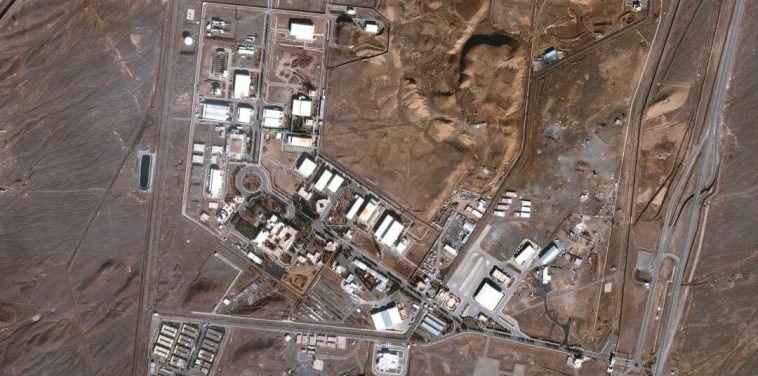
“The white structure shown is deeply imbedded into the rock, with even its roof well below ground level, and completely shielded from flame. The biggest damage took place far below ground level,” Trump said. “Bullseye!!!”
The U.S. dropped twelve massive bunker-buster bombs, each weighing 30,000 pounds—engineered to tear into fortified underground bunkers and annihilate what lies beneath. Fordow was built for secrecy and survivability. That may now be over.

Predictably, Iran’s state-run media scrambled to downplay the carnage.
Manan Raisi, a member of Iran’s parliament who represents the region where Fordow is located, tried to brush off the attack. “Contrary to the claims of the lying president of the United States, Fordow has not been seriously damaged,” he told the IRGC-linked Tasnim News Agency.
But the Biden-weary American public isn’t buying it—and neither are key U.S. military leaders.
Defense Secretary Pete Hegseth cut through the fog of Tehran’s denial. “Iran’s nuclear ambitions have been obliterated,” he declared, according to All Israel News. “We devastated the Iranian nuclear program,” he continued, making clear that the strike was focused solely on nuclear infrastructure and not civilian or military personnel.
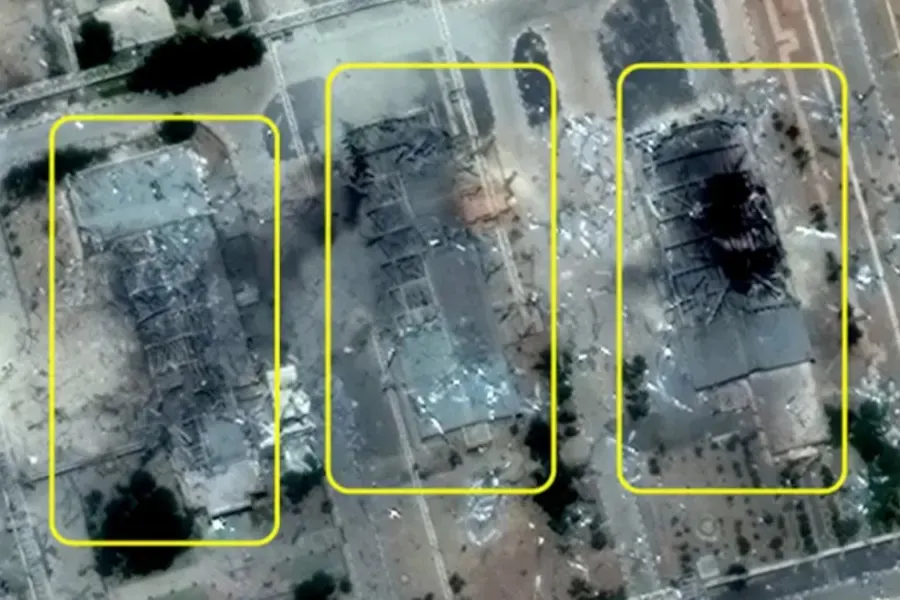
Even U.S. Joint Chiefs Chairman Dan Caine, who took a more measured tone, acknowledged that the Fordow site suffered “severe damage.” And satellite expert Decker Eveleth confirmed that while some of the key centrifuge halls remain too buried to fully assess, the above-ground destruction is undeniable.
“The hall of centrifuges is too deeply buried for us to evaluate the level of damage based on satellite imagery,” Eveleth told Channel News Asia.
Still, other defense analysts weren’t shy about their conclusions.
Dr. Rebecca Grant told Fox News, “If the weaponeering did its job, then Fordow has been massively destroyed.”
The situation escalated further when Israeli forces joined the fray. On Monday, just 24 hours after the U.S. bombs struck, Israel confirmed a second wave of attacks targeting the same site. That strike has reportedly delayed Iran’s ability to even assess the extent of the damage.
For the aging Supreme Leader Ayatollah Ali Khamenei, 86, this brazen assault poses a profound test of power. While he vows retaliation, younger successors in waiting are now whispering about taking a less confrontational stance with the West.
Among the frontrunners to succeed him are his 56-year-old son Mojtaba and Hassan Khomeini, the grandson of Iran’s revolutionary founder—both signaling possible openness to softening Iran’s global posture.
But don’t count out Iranian bluster just yet.
Foreign Minister Abbas Araghchi fired off a warning on social media, writing, “Iran reserves all options to defend its sovereignty, interests, and people.”
For now, the world watches. Iran’s nuclear program, once hidden deep within the earth, has now been dragged into daylight—burning, broken, and exposed.

