
>> Continued From the Previous Page <<
According to a post from Amuse on X, “Partners for Justice” is propped up by grants from government entities including USAID—raising serious questions about whether taxpayer dollars are indirectly fueling a system that shelters foreign criminals from justice.
The organization insists it doesn’t directly offer legal representation. On its site, it promotes a strategy known as “collaborative defense,” which kicks in after an individual is arrested. “In America, any person who has been arrested, but not yet convicted of any crime, is legally presumed innocent. Their attorney can refer them to a Client Advocate, who can then conduct an interview to better understand challenges, goals, and needs,” the site reads.

“We gathered data on our work, and found out that, for a lot of people facing misdemeanor and low-level felony charges, addressing their basic needs created a path towards success and away from incarceration. Now, we have Client Advocate or capacity building teams working in over 20 states,” the group also states.
But critics argue the mission is less about defense and more about obstruction—stalling or softening the legal path to deportation for illegal immigrants, even those with known gang affiliations.
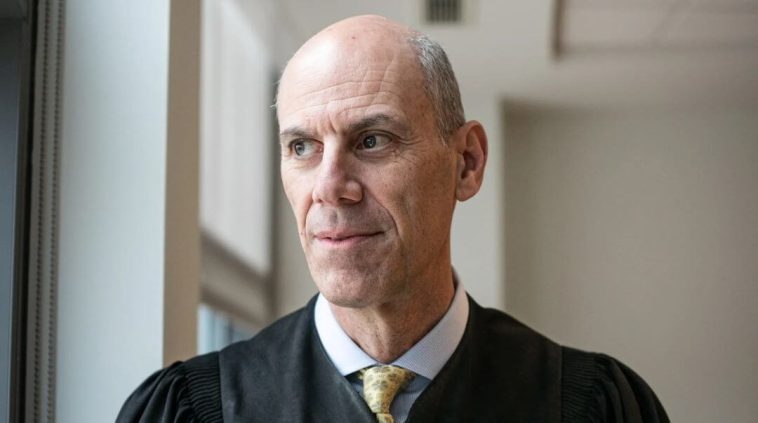
Judge Boasberg, meanwhile, has sparked outrage for halting the removal of hundreds of Venezuelans with known ties to a brutal crime network, Tren de Aragua (TDA), a gang the Trump administration labeled as a serious threat to national security.
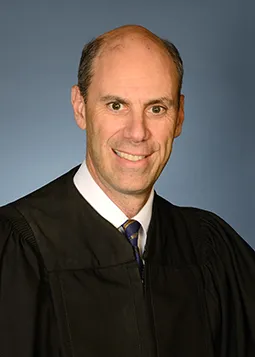
Earlier this month, Boasberg issued a last-minute restraining order stopping the deportation of 260 Venezuelan nationals allegedly connected to the gang, citing supposed “due process” concerns. He even went so far as to order deportation planes to turn back midflight—a stunning move that triggered widespread condemnation.
According to Trump-era officials, many of the individuals in question were backed by the Venezuelan regime and had been engaged in crimes ranging from smuggling to violent assaults on American soil.
Raise a Toast with the Bulletproof Trump Whiskey Glass – A Patriotic Statement Piece
Boasberg’s decision led House Republicans to introduce articles of impeachment, accusing him of overstepping his authority and undermining national security in favor of activist causes.
On Friday, President Trump’s team took the matter to the Supreme Court, demanding a reversal of Boasberg’s ruling and arguing the judiciary has no business interfering in sensitive national security operations.
“This case presents fundamental questions about who decides how to conduct sensitive national-security-related operations in this country – the President, through Article II, or the judiciary,” Acting Solicitor General Sarah Harris wrote. “The Constitution supplies a clear answer: the President. The republic cannot afford a different choice.”
Despite the judge’s order, the administration moved forward with the deportations, triggering a legal showdown that is now likely to reach the nation’s highest court.

